Commercial cleaning and food hygiene professionals in Brampton support food establishments, commissaries, baking facilities, warehouses, and food service operations maintaining standards. They sanitize high-contact points, food preparation surfaces, equipment, floors, drains, restrooms, and food handling spaces using certified products, maintaining proper ratios, and recording exposure duration. You require scheduled cleaning based on hazard level, food throughput, allergens, and regulatory assessments, along with documented proof backing Hazard Analysis Critical Control Points, audits, and public health compliance. The sections below explains what strong sanitation programs must contain.
Main Points
- Brampton food safety cleaning experts service restaurants, grocery departments, commissaries, warehouses, bakeries, schools, mobile vendors, and allergen-sensitive operations.
- Compartmentalized approaches clean high-touch surfaces, food-contact equipment, kitchens, floors, drains, restrooms, and storage areas for reducing cross-contamination.
- Recording of finishing through checks, audits, and action records verifies approved contractors have checked approved sanitizer dilution, suitability, and contact time.
- Routine, recurring, and annual tasks assigned by zone constitute hygiene calendars built on hazard, production rate, transitions, releases, and requirements.
- Insurance, coded implements, HACCP, sanitation knowledge, safety training training, testimonials, and compliance-ready maintenance records are vital contractor characteristics.
What Brampton Establishments Require Food Safety Cleaning?
Food safety cleaning is mandatory for any Brampton facility that processes, stores, prepares, packages, or serves food. Apply it to your establishment if it falls within public health review, food regulations, or HACCP protocols. This includes dining establishments, break rooms, distribution centers, market departments, meat shops, fish areas, stores, and food prep kitchens.
Proper hygiene protocols proves necessary in supply warehouses, processing plants, freezer locations, commercial bakeries, school food programs, reception facilities, and food delivery centers. Portable temporary ventures apply similarly, such as food trucks, event sellers, and temporary stalls. Your venue needs recorded sanitation procedures if your team handle raw materials, divide prepared dishes, warm meals, or keep allergens stored. In Brampton, hygiene stays discretionary; it represents statutory, functional, and public health adherence.
Which Areas Do Brampton Cleaning Experts Cover?
You require experienced cleaning professionals who disinfect high-touch surfaces, cooking areas, floor areas, and restroom facilities to maintain food safety and public health requirements. These areas are targeted due to their high cross-contamination potential, falling hazards, and health code violations.
Understanding their cleaning procedures enables you to validate your facility's cleaning meets operational demands and regulatory compliance.
Sanitizing High-Touch Areas
determine how periodically each surface is disinfected
swapping towels frequently, maintaining unidirectional workflows, and dividing cleaning tools by section. Doing so maintains your disinfection plan verifiable, justified, and inspection-ready at all times.
Kitchen Areas, Floor Surfaces, and Bathroom Spaces
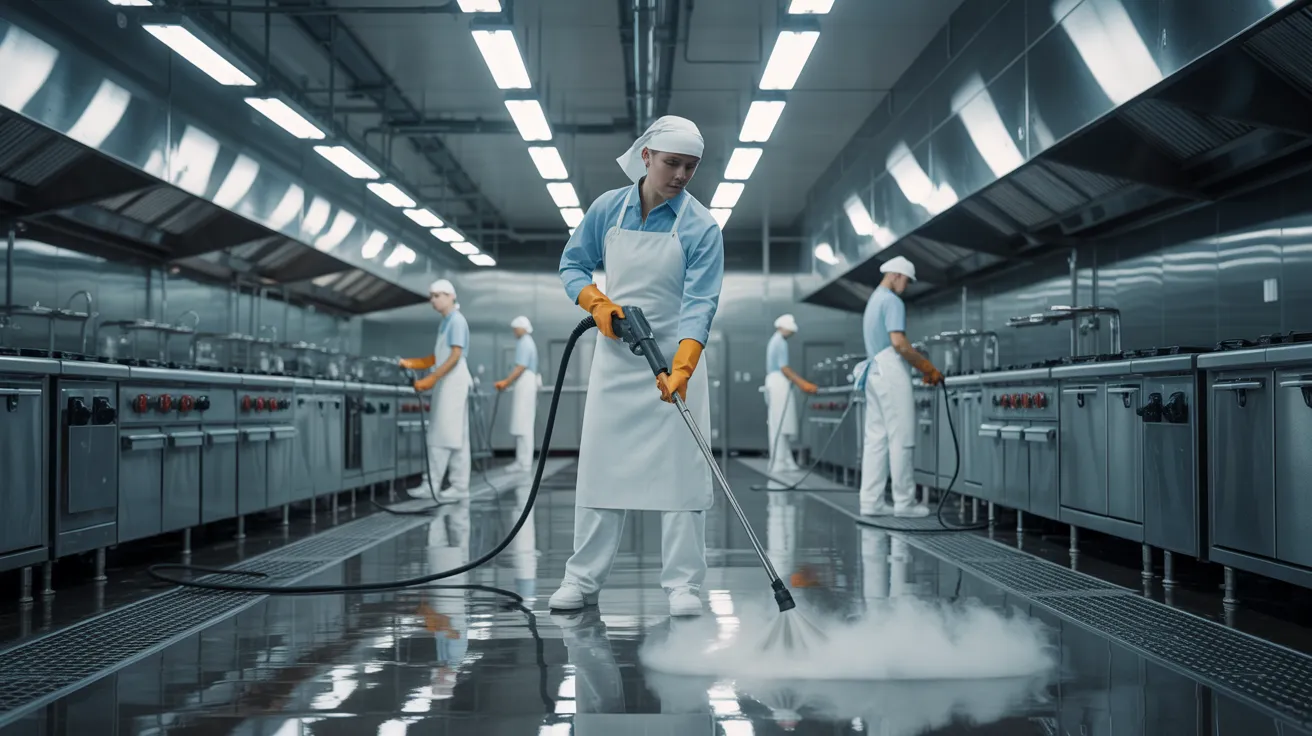
Brampton cleaning services focus on kitchens, floors, and restrooms as each zone involves different sanitation, accident, and public health concerns. In industrial kitchens, you need grease removal from cooking stations, appliance surfaces, drain systems, preparation areas, and backsplashes to minimize bacterial growth and pest activity.
Documented floor care is likewise provided as part of the service.
For restroom sanitation, cleaners sanitize touchpoints, fixtures, partitions, dispensers, and waste containers, then restock supplies and control odours. They also service restaurant moprooms, where chemical storage, sink hygiene, and drainage conditions can affect sanitation compliance and staff safety daily.
How Food Safety Cleaning Benefits Brampton Operations
Brampton businesses need to establish food-safe cleaning standards for meeting health code requirements and passing inspections. You also minimize bacterial spread through proper cleaning of food-preparation surfaces, appliances, and frequently-touched items. Most importantly, you help protect community wellness by reducing the chance of food poisoning in your establishment.
Sanitary Standards Adherence
Brampton food establishments must comply with strict public health standards, so food safety cleaning is key to fulfilling health codes, safeguarding customers, and preventing penalties. You must maintain hygienic food handling zones, documented cleaning schedules, proper chemical use, and auditable operational standards that meet municipal and provincial inspection expectations.
Thorough sanitation promotes allergen management by minimizing residue on mutual appliances and high-touch areas.
Cross-Contamination Prevention
Adhering to health code standards requires your expertise in stopping cross-contamination throughout routine preparation and sanitation work. You need to isolate uncooked items from finished products, sanitize work stations after each task, and keep chemicals away from food-contact items. Organized systems minimize contamination events and maintain ongoing regulatory adherence.
Implementing allergen segregation helps ensure major allergens don't touch shared surfaces, containers, or equipment. Utilize separate boards, color-labeled items, and clear tool marking so workers don't combine products during preparation or service. Require handwashing after handling raw meat, seafood, eggs, or allergen-containing products. Refresh cleaning cloths often, and verify sanitizer strength with test strips. When your team learns these guidelines every shift, you establish a more hygienic, safer workplace that satisfies Brampton's food safety needs daily.
Public Health Safeguarding
When sanitation protocols breaks down, you don't just face inspection failure—you heighten the likelihood of food-related sickness affecting customers, staff, and the wider Brampton community. You also weaken your role in protecting public health, especially in high-traffic food premises where pathogens travel quickly through surfaces, equipment, and touchpoints.
You must establish cleaning procedures that eliminate soils, sanitize properly, and confirm effectiveness. This requires following contact periods, utilizing approved disinfectants, logging schedules, and training employees to satisfy regulatory standards. These mechanisms support pathogen reduction by limiting pathogens before contaminating food or surfaces. Across Brampton, effective sanitation protects at-risk populations, limits outbreak risk, and demonstrates accountability. When you follow standards, you exceed regulations—you substantially lower hazards and enable safer food service city-wide.
How Can Cleaning Practices Ensure Food Safety Compliance?
Strict sanitation practices ensure food safety compliance by lowering contamination exposure, preventing pathogen multiplication, and ensuring your facility complies with sanitation requirements under HACCP-based programs and public health regulations. You validate that food-handling surfaces appear visibly clean and microbiologically controlled, backing documented preventive controls and inspection readiness.
Cleaning efforts additionally bolster allergen prevention by clearing residues that can cause undeclared allergen exposure.
Finding When to Arrange Commercial Cleaning
Elevate cleaning frequency during peak output, equipment changeovers, spillage occurrences, and following maintenance work.
promotional occasions, catering services, or public events ought to arrange cleaning both [[before and after for effective event transition. Record timing, check completion, and revise schedules if hazards, volumes, or regulations change
How Do You Choose Brampton Cleaning Experts?
Begin by evaluating providers based on food-safe sanitation requirements—not solely on price alone. You should confirm that each organization comprehends CFIA, public health, and HACCP-aligned expectations applicable to your facility. Request insurance certificates, WHMIS compliance, staff training documentation, and oversight procedures. Assess whether technicians recognize cross-contamination risks, chemical handling protocols, and verifiable sanitation records.
You should further examine service consistency and answerability. Request testimonials from Brampton food businesses, then review reply speed, corrective-action procedures, and communication standards. Validate the company facilitates supplier audits and can present inspection-ready documentation to regulators or external parties. Confirm equipment is maintained, color-coded implements are used appropriately, and site-specific hazards are recognized. A qualified provider ensures regulatory compliance, product integrity, and your brand reputation.
What's included in a sanitation cleaning strategy?
Create a documented strategy that makes clear every sanitation task, standard, and responsibility prior to production start. You should detail cleaning schedules, authorized chemicals, concentration levels, contact duration, implements, and validation techniques for each location, surface, and apparatus. Include pre-operational inspections, corrective actions, and employee training requirements.
Your plan should also tackle prevention of contamination, waste management, pest-control tactics, and scheduled records for facilities, drains, flooring, and food-preparation surfaces. Outline how you'll separate raw and ready-to-eat processes, facilitate ingredient tracking, and keep accurate allergen labeling through validated cleaning between product changes. You should establish accountability, document signed records, and assess results against regulatory standards, HACCP controls, and customer requirements. When gaps appear, update procedures immediately and retrain staff.
Popular Inquired Questions
Are cleaning services available for nighttime operations in Brampton properties?
Yes, you can book cleaning services to support nighttime operations in Brampton facilities. You'll organize overnight sanitation around production schedules, access controls, and personnel needs. Services generally map nightshift procedures to minimize interruption, ensure compliance, and record finished work. You should confirm arrival timeframes, management, lockout procedures, and waste handling before beginning service. If you operate regulated spaces, you'll also need documentation that enable audits and compliance verification.
Will sanitation professionals respond to hazardous incidents?
Yes, discover now you can expect many Brampton cleaning experts to offer emergency spill response services. They handle hazard containment, evaluate dangers, contain contamination, and begin swift cleanup to reduce exposure and business interruption. You should confirm their response times, training certifications, PPE protocols, and disposal procedures. If your facility must meet health or food safety regulations, choose a provider that documents incidents, maintains regulatory procedures, and supports audit readiness.
Can environmentally safe disinfectants be applied securely on food-handling equipment?
In essence, plant-based sanitizers prove safe for food-handling equipment provided you choose solutions certified for food use that adhere to regulatory compliant. Confirm contact duration, dilution rates, and rinsing needs ahead of deployment. Natural-based solutions minimize harsh chemical exposure, although you require confirmation of performance against specific pathogens. To ensure surfaces without residue, follow manufacturer directions precisely and verify the disinfectant complies with relevant food safety standards.
Will maintenance plans respond to production fluctuations?
Certainly, maintenance plans respond to seasonal production changes successfully. Adjust timing, staff levels, chemicals, and testing procedures to match with production rhythms while preserving compliance standards. Limit equipment downtime by organizing disinfection amid line changes, peak seasons, and operational patterns. Concurrently update standard operating procedures, staff education, and environmental testing to account temporary risks, emerging allergens, or increased soil loads. Scheduled reviews maintain the plan efficient.
Will commercial cleaners train employees on hygiene best practices?
Absolutely, professional cleaning companies frequently provide employee education on hygiene standards. Your staff receives training on correct chemical handling, contact times, cross-contamination prevention, equipment disassembly, and documentation. They typically align instruction with HACCP, GMP, and CFIA or regional health authority standards. Many also perform sanitation audits to verify compliance, identify gaps, and strengthen corrective measures. This helps you maintain consistent procedures, clear audits, and lower contamination dangers routinely.
Conclusion
By partnering with Brampton food safety and commercial cleaning professionals, you aren't just organizing—you maintain your facility inspection-ready and your standards in compliance. From kitchens to processing floors, every clean surface and maintained corner reduces pest risk and avoids expensive losses. By scheduling cleanings on the right schedule and following a documented cleaning plan, you protect staff members, customers, and your standing. In a strictly regulated industry, hygienic conditions are mandatory—they're key to business compliance.
Comments on “MWAC Food Safety Solutions”